10K Training

Novice

10K
Length
8 Weeks
Runs/week
4 days
Longest run
5.5 miles
Level
Beginner

who it’s for

  • Beginners running their first marathon
  • Those looking for a low-commitment program that works
Distance units
Novice 10K Training schedule (miles)
WeekMonTueWedThuFriSatSun
1 Rest2.5 mi run30 min cross2 mi runRest40 min cross3 mi run
2 Rest2.5 mi run30 min cross2 mi runRest40 min cross3.5 mi run
3 Rest2.5 mi run35 min cross2 mi runRest50 min cross4 mi run
4 Rest3 mi run35 min cross2 mi runRest50 min cross4 mi run
5 Rest3 mi run40 min cross2 mi runRest60 min cross4.5 mi run
6 Rest3 mi run40 min cross2 mi runRest60 min cross5 mi run
7 Rest3 mi run45 min cross2 mi runRest60 min cross5.5 mi run
8 Rest3 mi run30 min cross2 mi runRestRest 10K Run
Novice 10K Training schedule (km)
WeekMonTueWedThuFriSatSun
1 Rest4.0 km run30 min cross3.2 km runRest40 min cross4.8 km run
2 Rest4.0 km run30 min cross3.2 km runRest40 min cross5.9 km run
3 Rest4.0 km run35 min cross3.2 km runRest50 min cross6.4 km run
4 Rest4.8 km run35 min cross3.2 km runRest50 min cross6.4 km run
5 Rest4.8 km run40 min cross3.2 km runRest60 min cross7.3 km run
6 Rest4.8 km run40 min cross3.2 km runRest60 min cross8.1 km run
7 Rest4.8 km run45 min cross3.2 km runRest60 min cross8.9 km run
8 Rest4.8 km run30 min cross3.2 km runRestRest 10K Run

Download Plan PDF

A week-by-week training schedule to hit your goals, totally free.

Units

Program details

About the Novice program

This program has been designed for new runners looking for a training program to prepare them for a 10K race. Or for experienced runners, looking for an easy schedule involving a relatively low level of weekly miles. Each day, Hal will send you an email telling you what to run and also offering tips about training.

Hal on his Novice program

HOW MUCH DO YOU NEED TO TRAIN TO RUN 10K? If you possess a good level of fitness (because of participation in other sports) you probably could run a half dozen miles on very little training. That might include running shorter races, such as a 5K or an 8K. But if you’ve made the decision to run a 10K race you might as well do it right. Following is an eight-week training schedule to help get you to the finish line of a 10K. (For those metrically challenged, 10K is 6.2 miles.) The program is designed for beginning runners, but experienced runners like it too, because of its gentle approach. To participate in this 10K program, you should have no major health problems, and perhaps have done at least some jogging or walking. If running 2.5 miles for your first workout on Tuesday of the first week seems too difficult, you might want to pause before taking your first steps. If you have more than eight weeks before your 10K, switch to an easier (shorter) schedule to build an endurance base. The terms used in the training schedule are somewhat obvious, but let me explain what I mean anyway.


Lifelong runner / writer / coach

Hal Higdon running in a Dunes T-shirt

Workout types

Rest

The first word you encounter in the 10K Novice Program, and in many of my other training plans from 5K to the marathon, is “rest.” I suggest you rest on Fridays before your weekend workouts and on Mondays after those workouts. You can’t train efficiently if fatigued. Take rest days seriously.

Running workouts

As a novice, don’t worry about how fast you run; just cover the distance–or approximately the distance suggested each day. Ideally, you should be able to run at a pace that allows you to converse comfortably with any training partners. In the 10K Novice plan, you run three days of the week: Tuesdays, Thursdays and Sundays.

Cross-Training

On the schedule, this is identified simply as “cross.” Wednesdays and Saturdays are cross-training days: swimming, cycling, walking, cross-country skiing, snowshoeing, or other forms of aerobic training. But don’t cross-train too vigorously. Cross-training days should be easy days.

Long Runs

The longest runs are planned for Sundays, since you probably have more time to do them on the weekends. If Sunday isn’t a convenient day for your long runs, feel free to do them on Saturday, cross-training on Sundays. What pace should you run? Go slow. Don’t be afraid to take walking breaks. Just cover the distance.

Strength Training

Have you lifted before? If not, you may not want to start the same time you start a running program. Tuesdays and Thursdays are good days for strength training–after your run. Stretching also is important to keep your muscles loose.

Walking

Walking is an excellent exercise that a lot of runners overlook in their training. In the training schedule below, I don’t specify walking workouts, but feel free to walk during your running workouts any time you feel tired or need a break. (Be aware that I have a separate 10K walking program if you decide to walk rather than run your goal 10K.)

The following schedule is only a guide. If necessary, you can make minor modifications to suit your work and family schedule. The interactive programs available from TrainingPeaks offer much more detailed instructions.

Run with Hal

app
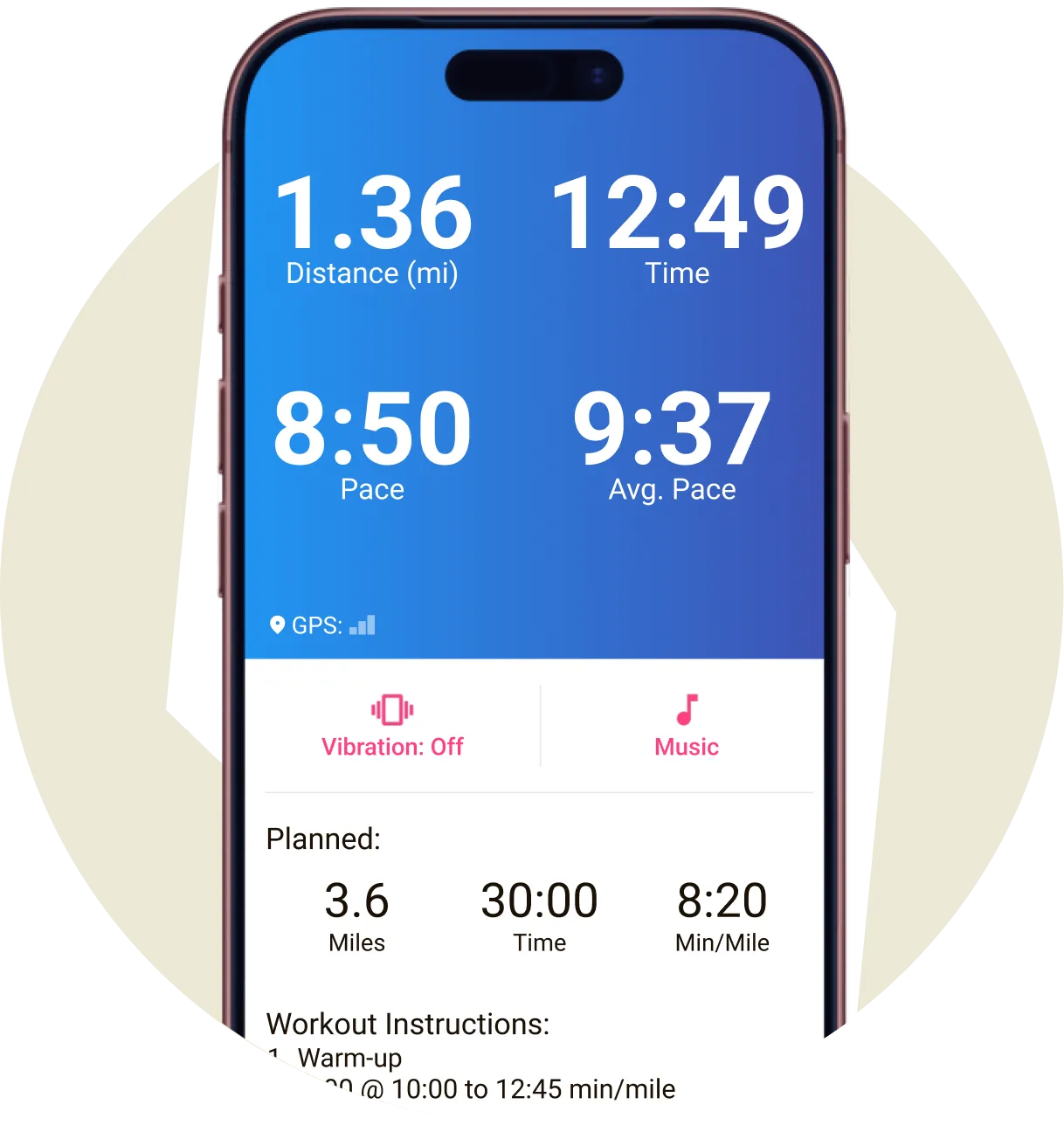
The Run With Hal app on a phone, showing a live run: distance, time, pace, and the planned workout.
  • Adaptive Plans that update as you train.
  • Flexible Scheduling to move workouts and set blackout dates.
  • Daily Tips From Hal for motivation delivered each day.
  • Train Any Distance from 5K to ultra, or year-round base plans.

Download for free:

Download on the App Store Get it on Google Play

Reviews

Additional 10K Training Programs