

Marathon Training

Novice 1

26.2
Length
18 Weeks
Runs/week
4 days
Longest run
20 miles
Level
Beginner

who it’s for

  • Beginners running their first marathon
  • Those looking for a low-commitment program that works
Distance units
Novice 1 Marathon Training schedule (miles), weeks 1–13
WeekMonTueWedThuFriSatSun
1 Rest3 mi run3 mi run3 mi runRest6Cross
2 Rest3 mi run3 mi run3 mi runRest7Cross
3 Rest3 mi run4 mi run3 mi runRest5Cross
4 Rest3 mi run4 mi run3 mi runRest9Cross
5 Rest3 mi run5 mi run3 mi runRest10Cross
6 Rest3 mi run5 mi run3 mi runRest7Cross
7 Rest3 mi run6 mi run3 mi runRest12Cross
8 Rest3 mi run6 mi run3 mi runRestRestHalf Marathon
9 Rest3 mi run7 mi run4 mi runRest10Cross
10 Rest3 mi run7 mi run4 mi runRest15Cross
11 Rest4 mi run8 mi run4 mi runRest16Cross
12 Rest4 mi run8 mi run5 mi runRest12Cross
13 Rest4 mi run9 mi run5 mi runRest18Cross
Novice 1 Marathon Training schedule (km), weeks 1–13
WeekMonTueWedThuFriSatSun
1 Rest4.8 km run4.8 km run4.8 km runRest9.7Cross
2 Rest4.8 km run4.8 km run4.8 km runRest11.3Cross
3 Rest4.8 km run6.4 km run4.8 km runRest8.1Cross
4 Rest4.8 km run6.4 km run4.8 km runRest14.5Cross
5 Rest4.8 km run8.1 km run4.8 km runRest16.1Cross
6 Rest4.8 km run8.1 km run4.8 km runRest11.3Cross
7 Rest4.8 km run9.7 km run4.8 km runRest19.3Cross
8 Rest4.8 km run9.7 km run4.8 km runRestRestHalf Marathon
9 Rest4.8 km run11.3 km run6.4 km runRest16.1Cross
10 Rest4.8 km run11.3 km run6.4 km runRest24.1Cross
11 Rest6.4 km run12.9 km run6.4 km runRest25.7Cross
12 Rest6.4 km run12.9 km run8.1 km runRest19.3Cross
13 Rest6.4 km run14.5 km run8.1 km runRest29.0Cross

Download Plan PDF

A week-by-week training schedule to hit your goals, totally free.

Units
Novice 1 Marathon Training schedule (miles), weeks 14–18
WeekMonTueWedThuFriSatSun
14 Rest5 mi run9 mi run5 mi runRest14Cross
15 Rest5 mi run10 mi run5 mi runRest20Cross
16 Rest5 mi run8 mi run4 mi runRest12Cross
17 Rest4 mi run6 mi run3 mi runRest8Cross
18 Rest3 mi run4 mi run2 mi runRestRest Marathon
Novice 1 Marathon Training schedule (km), weeks 14–18
WeekMonTueWedThuFriSatSun
14 Rest8.1 km run14.5 km run8.1 km runRest22.5Cross
15 Rest8.1 km run16.1 km run8.1 km runRest32.2Cross
1 Rest8.1 km run12.9 km run6.4 km runRest19.3Cross
17 Rest6.4 km run9.7 km run4.8 km runRest12.9Cross
18 Rest4.8 km run6.4 km run3.2 km runRestRest Marathon

Program details

About the Novice 1 program

This is Hal's most popular program: the Novice 1 Marathon Training Program. If you are training for your first marathon, this is the training program for you! Even if you are an experienced marathoner, you may choose this as a gentle and low-mileage approach to your favorite sport. More than a million runners have used Hal's programs with success. Novice 1 will get you to the starting line--and finish line.

Hal on his Novice 1 program

Here is my Novice 1 Marathon Program, the most popular of all my marathon training programs and, arguably, the most popular training program used by first marathoners anywhere. Is this your first marathon? Have you only begun to run? Novice 1 was designed with you in mind. If you have been running for a year or more and have run a number of races from 5-K to the half marathon, you might want to consider a slight nudge up to Novice 2, although many experienced runners also favor Novice 1, because of the (relatively) gentle way it prepares you to run 26 miles 385 yards. Let me explain some of the workouts you will run during the 18 weeks of Novice 1.  More detailed training instructions sent to you in daily emails are available if you sign up for the interactive version of Novice 1, available from TrainingPeaks. I also have a Novice 1 app.

Lifelong runner / writer / coach

Hal Higdon running in a Dunes T-shirt

Workout types

Long Runs

The key to the program is the long runs on weekends, which build from 6 miles in Week 1 to 20 miles in the climactic Week 15. (After that, you taper 3 weeks to get ready for the marathon.) You can skip an occasional workout, but do not cheat on the long runs. Notice that although the weekly long runs get progressively longer, every third week is a “stepback” week, where we reduce mileage to allow you to gather strength for the next push upward.

Rest

Novice 1 marathoners rest on Mondays and rest again on Fridays. This is both to recover after the weekend long runs and to gather energy before them. Scientists suggest that it is during the rest period (the 24 to 72 hours between hard bouts of exercise) that the muscles actually regenerate and get stronger. Coaches also will tell you that you can’t run hard unless you are well rested. And it is hard running (such as the long run) that allows you to improve. The secret to success in any training program is consistency, so as long as you are consistent with your training during the full 18 weeks of the program, you can afford–and may benefit from–extra rest.

Run Slow

Normally I recommend that runners do their long runs anywhere from 30 to 90 seconds or more per mile slower than their marathon pace. The problem with offering this advice to first-time novice runners, however, is that you probably don’t know what your marathon pace is, because you’ve never run a marathon before! Don’t worry. Simply do your long runs at a comfortable pace, one that allows you to converse with your training partners. As far as I’m concerned, there is no such thing as “too slow.”  The important point is that you cover the prescribed distance; how fast you cover it doesn’t matter.

Walking

Don’t be embarrassed to take walking breaks. Walking is a perfectly acceptable strategy in trying to finish a marathon. It works during training runs too. While some coaches recommend walking 1 minute out of every 10, or walking 30 seconds then running 30 seconds before walking again, I suggest that marathon runners walk when they come to an aid station. Here’s why: you can drink more easily while walking as opposed to running, It’s a good idea to follow this strategy in training as well. Walking gives your body a chance to rest, and you’ll be able to continue running more comfortably. It’s best to walk when you want to, not when your (fatigued) body forces you too.

Cross-Training

Sundays in the Novice 1 training program are devoted to cross-training. What is cross-training? It is any form of aerobic exercise that allows you to use slightly different muscles while resting (usually) after your long run. In the Novice 1 program, we run long on Saturdays and cross-train on Sundays, although it certainly is possible to reverse that order. The best cross-training exercises are swimming, cycling or even walking. Activities requiring sudden or sideways movements are not always a good choice. You don’t need to cross-train the same each weekend. And you could even combine two or more exercises: walking and easy jogging or swimming and riding an exercise bike in a health club.

Strength Training

A frequently asked question is: “Should I add strength training to my marathon program?” If you have to ask, you probably should not. I strongly endorse strength training for maximum fitness and long life, but if you never have pumped iron before, now is probably not the time to start. Wait until after you have some bling around your neck. If you already hang out at the gym, Tuesdays and Thursdays work well for strength training–after you finish your short runs on those days.

Midweek Training

Training during the week should be done at a comparatively easy pace. As the weekend mileage builds, the weekday mileage also builds. Add up the numbers, and you’ll see that you run roughly the same mileage during the week as you do during long runs on the weekends. Midweek workouts on Wednesdays build from 3 to 10 miles. (I call these my Sorta-Long Runs.) There are similar slight advances on Tuesdays and Thursdays although they are planned as “easy” days.

Races

Normally, I don’t prescribe races–or at least too many races–for first-time marathoners. Races can get in the way, particularly if you taper before a race and need extra recovery afterwards. But some racing is convenient, because it introduces newcomers to the racing experience. I suggest you consider doing a half marathon in Week 8, a week when in the normal progression you might do 13 miles as your long run. No half marathon in your neighborhood that week? You can juggle the training schedule to match the local racing calendar. One advantage of doing a half is that afterwards, you can use one of the pace calculators available on the Internet (best is by Greg McMillan) to predict your marathon pace and finish.

Run with Hal

app
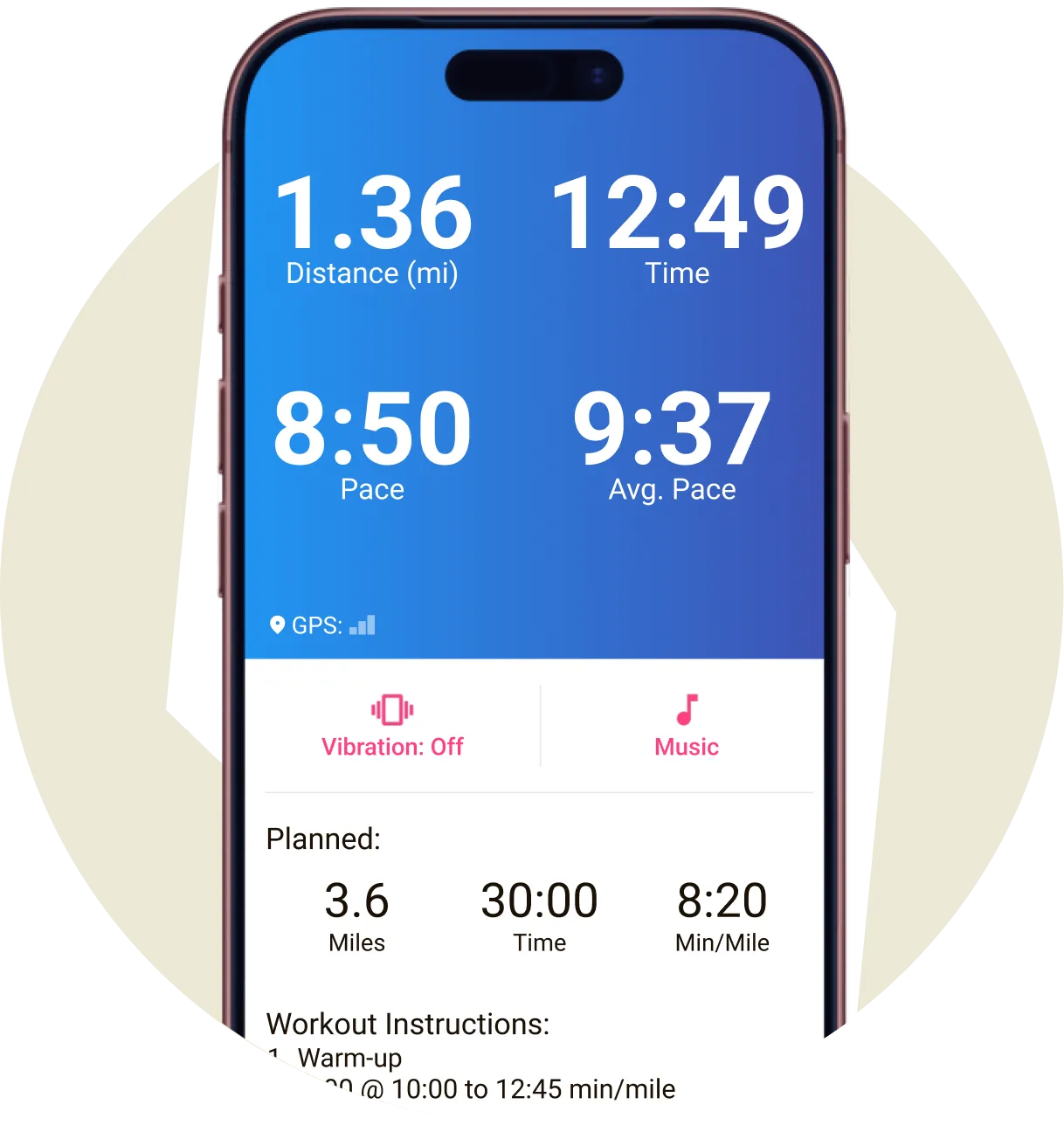
The Run With Hal app on a phone, showing a live run: distance, time, pace, and the planned workout.
  • Adaptive Plans that update as you train.
  • Flexible Scheduling to move workouts and set blackout dates.
  • Daily Tips From Hal for motivation delivered each day.
  • Train Any Distance from 5K to ultra, or year-round base plans.

Download for free:

Download on the App Store Get it on Google Play

Reviews

Additional Marathon Training Programs