
Half Marathon Training

Advanced

13.1
Length
12 Weeks
Runs/week
4 days
Longest run
2 hours
Level
Beginner

who it’s for

  • Beginners running their first marathon
  • Those looking for a low-commitment program that works
Distance units
Advanced Half Marathon Training schedule (miles), weeks 1–7
WeekMonTueWedThuFriSatSun
1 3 mi run6 x hill3 mi run40 min tempoRest3 mi run90 min run (3/1)
2 3 mi run7 x 400 5-K pace3 mi run45 min tempoRest3 mi pace90 min run
3 3 mi run7 x hill3 mi run30 min tempoRest or easy runRest5-K Race
4 3 mi run8 x 400 5-K pace3 mi run40 min tempoRest3 mi run90 min run (3/1)
5 3 mi run8 x hill3 mi run45 min tempoRest3 mi pace90 min run
6 3 mi run8 x 400 5-K pace3 mi run30 min tempoRest or easy runRest10-K Race
7 3 mi run4 x 800 10-K pace3 mi run45 min tempoRest4 mi pace1:45 run (3/1)
Advanced Half Marathon Training schedule (km), weeks 1–7
WeekMonTueWedThuFriSatSun
1 4.8 km run6 x hill4.8 km run40 min tempoRest4.8 km run90 min run (3/1)
2 4.8 km run7 x 400 5-K pace4.8 km run45 min tempoRest4.8 km pace90 min run
3 4.8 km run7 x hill4.8 km run30 min tempoRest or easy runRest5-K Race
4 4.8 km run8 x 400 5-K pace4.8 km run40 min tempoRest4.8 km run90 min run (3/1)
5 4.8 km run8 x hill4.8 km run45 min tempoRest4.8 km pace90 min run
6 4.8 km run8 x 400 5-K pace4.8 km run30 min tempoRest or easy runRest10-K Race
7 4.8 km run4 x 800 10-K pace4.8 km run45 min tempoRest6.4 km pace1:45 run (3/1)

Download Plan PDF

A week-by-week training schedule to hit your goals, totally free.

Units
Advanced Half Marathon Training schedule (miles), weeks 8–12
WeekMonTueWedThuFriSatSun
8 3 mi run3 x 1600 race pace3 mi run50 min tempoRest5 mi pace1:45 run
9 3 mi run5 x 800 10-K pace3 mi run30 min tempoRest or easy runRest15-K Race
10 3 mi run4 x 1600 race pace3 mi run55 min tempoRest5 mi pace2:00 run (3/1)
11 3 mi run6 x 800 10-K pace3 mi run60 min tempoRest3 mi pace2:00 run
12 3 mi run6 x 400 5-K pace2 mi run30 min tempoRestRest Half Marathon
Advanced Half Marathon Training schedule (km), weeks 8–12
WeekMonTueWedThuFriSatSun
8 4.8 km run3 x 1600 race pace4.8 km run50 min tempoRest8.1 km pace1:45 run
9 4.8 km run5 x 800 10-K pace4.8 km run30 min tempoRest or easy runRest15-K Race
10 4.8 km run4 x 1600 race pace4.8 km run55 min tempoRest8.1 km pace2:00 run (3/1)
11 4.8 km run6 x 800 10-K pace4.8 km run60 min tempoRest4.8 km pace2:00 run
12 4.8 km run6 x 400 5-K pace3.2 km run30 min tempoRestRest Half Marathon

Program details

About the Advanced program

This Advanced Half Marathon Training Program is for experienced runners: individuals who compete regularly in 5K, 10K, half-marathon and even marathon races and who want to improve their performances. Each day, Hal will send you an email message telling you what to run and offering a tip about training.

Hal on his Advanced program

HALF MARATHON ADVANCED IS FOR VERY EXPERIENCED RUNNERS: individuals who compete regularly in 5K, 10K, half-marathon and even marathon races and who want to improve their performances. You should be capable of running 30 to 60 minutes a day, five to seven days a week and have a basic understanding of how to do speedwork. If that sounds like too much training, and this is your first half marathon, you might be more comfortable training using either one of the novice programs or the intermediate programs.

Lifelong runner / writer / coach

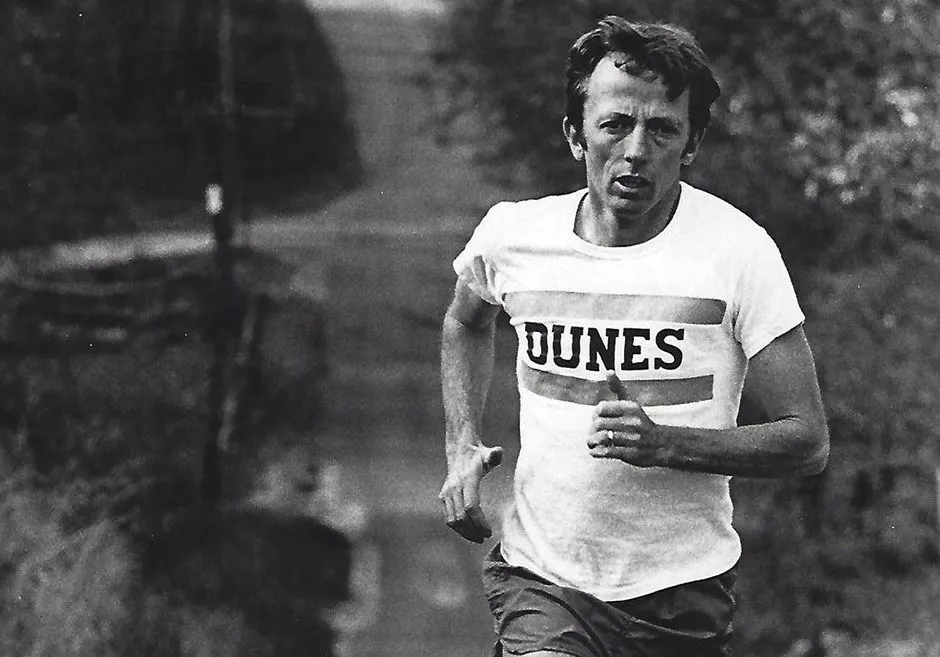
Hal Higdon running in a Dunes T-shirt

Workout types

Easy Runs

The runs on Mondays, Wednesdays and sometimes Fridays or Saturdays are designed to be done at a comfortable pace. Don’t worry about how fast you run these workouts. Run easy! If you’re training with a friend, the two of you should be able to hold a conversation. If you can’t do that, you’re running too fast. (For those wearing heart rate monitors, your target zone should be between 65 and 75 percent of your maximum pulse rate.)

Stretch & Strength

Mondays and Wednesdays are also days on which I advise you to spend extra time stretching–and do some strength training too. These are actually “easy” days, so don’t overdo it. It’s wise to stretch every day, particularly after you finish your run, but spend more time stretching on Mondays and Wednesdays. And don’t forget to stretch while warming up for your hard runs. I can’t emphasize this strongly enough: Advanced runners need to spend more time stretching than novice or intermediate runners! That’s because you probably run faster and train harder, which can stiffen the body. And don’t forget at least some strength training, which could consist of push-ups, pull-ups, use of free weights or working out with various machines at a health club. Runners generally benefit if they combine light weights with a high number of repetitions, rather than pumping very heavy iron.

Distance

The training schedule dictates workouts at distances, from 3 miles to two hours, the latter which (depending on your ability) may actually take you further than your half marathon race distance. Don’t worry about running precise distances, but you should come close. Pick a course through the neighborhood, or in some scenic area where you think you might enjoy running. Then measure the course by your GPS watch. As an advanced runner, you probably already know the distances of many of your courses. When the prescribed workout (as on Sundays) is in hours rather than miles, forget distance entirely.

Rest

Rest is as important a part of your training as the runs. You will be able to run the long runs on the weekend better–and limit your risk of injury–if you program some easy training before and after. Be realistic about your fatigue level–particularly in the closing weeks of the program–and don’t be afraid to take a day off.

Hills

Some hill training will help strengthen your quads and build speed. Look for a hill between 200 and 400 meters long. Jog or walk an equal distance between each repeat. I prescribed only three hill sessions, all in the first half of the program, but if you want to do more hill training, be my guest. You can substitute hill repeats for any of the interval workouts, or even in place of a Tempo Run or two if you want.

Speedwork

If you want to race at a fast pace, you need to train at a fast pace several days a week. The training schedule begins with 400-meter repeats, but also includes 800- and 1600-meter repeats in later weeks. Walk or jog between each repeat. You can do the 400 and 800 repeats on a track, although you may want to do the 1600 (mile) repeats on the road. For more information on speed training, see my book, Run Fast.

Warm-up

Warming up is important, not only before the race itself, but before your speed workouts above and pace workouts below. Most novice runners do not warm up, except in the race itself. This is okay, because they’re more interested in finishing rather than finishing fast. You have a different goal, otherwise you wouldn’t be using the Advanced program, so warm up before you run fast. My usual warm-up is to jog a mile or two, sit down and stretch for 5-10 minutes, then run some easy strides (100 meters at near race pace). And I usually cool down afterwards by doing half the warm-up distance.

Tempo Runs

This is a continuous run with a buildup in the middle to near 10-K race pace. A Tempo Run of 40 to 60 minutes would begin with 10-20 minutes easy running, then accelerate gradually for 20-30 minutes near the middle, then 5-10 minutes easy toward the end. The pace buildup should be gradual, not sudden, with peak speed coming about two-thirds into the workout. Hold that peak only for a minute or two. I consider Tempo Runs to be the “Thinking Runner’s Workout.” A Tempo Run can be as hard or easy as you want to make it, and it has nothing to do with how long (in time) you run or how far. In fact, the times prescribed for Tempo Runs serve mainly as rough guidelines. Feel free to improvise. Improvisation is the heart of doing a Tempo Run correctly.

Pace

A lot of runners look at my training schedules and ask, “What do you mean by ‘pace?’” I mean “race pace,” the pace at which you expect to run the half marathon. Some workouts are designed as pace runs to get you used to running the pace you will run in the race. In Week 10, for example, I ask you to do “5 m pace.” Hopefully that is self-explanatory. You might want to do a short warm-up before starting each of these pace runs.

Long Runs

As an experienced runner, you probably already do a long run of around 60-90 minutes on the weekends anyway. The schedule suggests a slight increase in time as you get closer to race date: from 90 minutes to 1:45 to two hours. Don’t get hung up on running these workouts too fast; forget also about how many miles you cover. And, yes, you may actually find yourself running further than 13.1 miles when you run two hours. Run at a comfortable, conversational pace, except on those days where a 3/1 run is prescribed. A 3/1 run is one in which you run the first three-fourths of the distance at a comfortable pace, then accelerate to near race pace over the last one quarter of the workout. (You should finish refreshed, not fatigued.) The schedule below suggests doing your long runs on Sundays, and while you can do them Saturdays or any other convenient day, you will generally find it easier to run the long runs the day after the pace runs instead of vice versa.

Cross-Train

Normally I don’t prescribe cross-training for advanced runners. That’s because you’re usually more focused on pure running than novice or intermediate runners. But if you find that cross-training helps you prevent injuries, or if you enjoy it, feel free to substitute cross-training on one or more of the easy days. Notice I used the word substitute. Usually it’s not a good idea to add cross-training, particularly hard cross-training, to an existing workout under the mistaken belief that it will make you stronger. It may actually cause you to overtrain, which can have a negative effect on performance, because you never get a chance to rest. What form of cross-training works best? It could be swimming, cycling, walking, cross-country skiing, snowshoeing, or even some combination that could include strength training.

Juggling

Don’t be afraid to juggle the workouts from day to day and week to week. If you have an important business meeting on Thursday, do that workout on Wednesday instead. If your family is going to be on vacation one week when you will have more or less time to train, adjust the schedule accordingly. If this means running hard on successive days, so be it. Program in an extra day of rest to compensate. Be consistent with your training, and the overall details won’t matter.

Racing

Most experienced runners enjoy racing, so I’ve included three races during the training period: one every third week, building from 5-K to 10-K to 15-K. There is nothing magic about those particular distances, and there is no necessity to race. Plug in whatever races look interesting from your local area wherever they fit in your schedule. (See “Juggling,” above.) You can use races to test your fitness and predict your finishing time in the half marathon and what pace to run that race.

Here is your half marathon training program. It is only a guide. Feel free to make minor modifications to suit your own particular schedule. Feel free to make minor modifications to suit your work and family schedule. Also, consider signing up for the interactive persion of this program available from TrainingPeaks for more detailed information on what to run each day and tips for your training.

Run with Hal

app
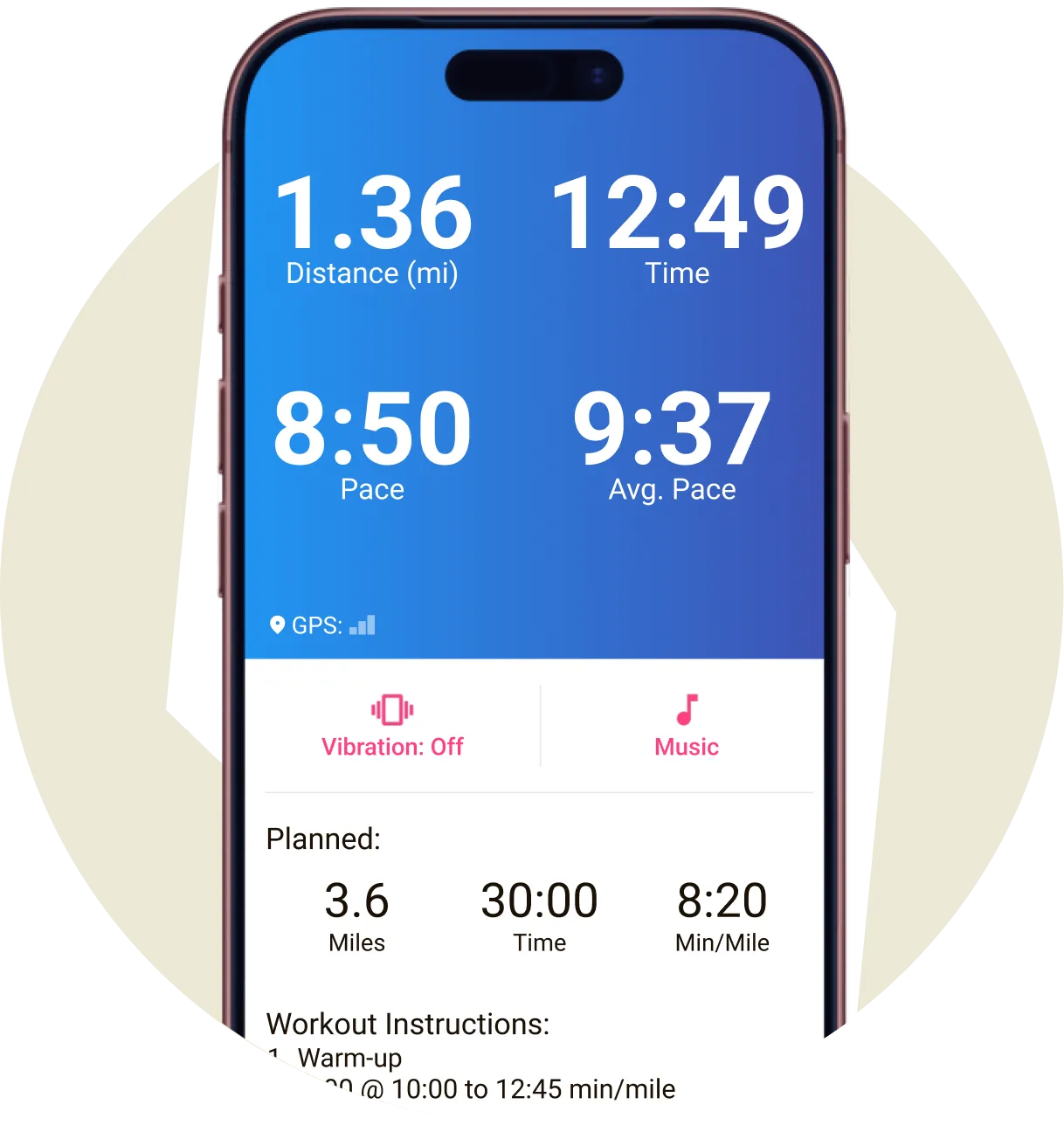
The Run With Hal app on a phone, showing a live run: distance, time, pace, and the planned workout.
  • Adaptive Plans that update as you train.
  • Flexible Scheduling to move workouts and set blackout dates.
  • Daily Tips From Hal for motivation delivered each day.
  • Train Any Distance from 5K to ultra, or year-round base plans.

Download for free:

Download on the App Store Get it on Google Play

Reviews

Additional Half Marathon Training Programs