
More Training

Triathlon 2

Length
8 Weeks
Runs/week
4 days
Longest run
90 minutes
Level
Beginner

who it’s for

  • Beginners running their first marathon
  • Those looking for a low-commitment program that works
Distance units
Triathlon 2 More Training schedule (miles)
WeekMonTueWedThuFriSatSun
1 StrengthRun 30 minBike 45 StrengthSwim 20 Run 25RestRun 30 minSwim 30 Run 30
2 StrengthBike 30 Run 15Swim 15 Run 30Run 30 StrengthRestRun 35 minSwim 30 Bike 30
3 StrengthRun 35 minBike 50 StrengthSwim 30 Run 20RestRun 40 minSwim 30 Run 45
4 StrengthBike 40 Run 10Swim 30 Run 15Run 30 StrengthRestRun 45 minAll 3 90 Min
5 StrengthRun 40 minBike 30 StrengthSwim 30 Run 25RestRun 50 minSwim 30 Run 45
6 StrengthBike 40 Run 15Swim 15 Run 40Run 40 StrengthRestRun 55 minSwim 30 Bike 60
7 StrengthRun 45 minBike 40 StrengthSwim 30 Run 30RestRun 60 minSwim 30 Run 60
8 StrengthBike 30 Run 30Swim 30 Run 30Run 30RestRest Triathlon
Triathlon 2 More Training schedule (km)
WeekMonTueWedThuFriSatSun
1 StrengthRun 30 minBike 45 StrengthSwim 20 Run 25RestRun 30 minSwim 30 Run 30
2 StrengthBike 30 Run 15Swim 15 Run 30Run 30 StrengthRestRun 35 minSwim 30 Bike 30
3 StrengthRun 35 minBike 50 StrengthSwim 30 Run 20RestRun 40 minSwim 30 Run 45
4 StrengthBike 40 Run 10Swim 30 Run 15Run 30 StrengthRestRun 45 minAll 3 90 Min
5 StrengthRun 40 minBike 30 StrengthSwim 30 Run 25RestRun 50 minSwim 30 Run 45
6 StrengthBike 40 Run 15Swim 15 Run 40Run 40 StrengthRestRun 55 minSwim 30 Bike 60
7 StrengthRun 45 minBike 40 StrengthSwim 30 Run 30RestRun 60 minSwim 30 Run 60
8 StrengthBike 30 Run 30Swim 30 Run 30Run 30RestRest Triathlon

Download Plan PDF

A week-by-week training schedule to hit your goals, totally free.

Units

Program details

About the Triathlon 2 program

Want to do a triathlon (combining a swim and a bike ride with a run)? This training program will get you ready for a sprint or short-distance triathlon.

Hal on his Triathlon 2 program

An 8-week training program for sprint triathlons

This Triathlon 2 Training Program is designed for runners who would like to test their fitness in a triathlon by adding swimming and cycling to their workout routines. It requires a moderately high level of fitness, certainly an ability to finish 5K or 10K races if not marathons. If you never have trained before, consider carefully before starting this program. It assumes in the first week that you have the ability to run for a half hour and bike and swim near equal amounts of time. Some of the workouts combine two or more of the three triathlon disciplines in a single workout. Also in the program is two days strength training each week. If you feel you need to start at a lower level and have the time before your chosen triathlon, select instead my much easier Triathlon 1 Training Program, which is designed mainly to get you in good shape with or without competitive goals. Like Triathlon 2, Triathlon 1 lasts 8 weeks. I also have combined the two into a Triathlon Supreme Program, which lasts 16 weeks. Triathlons are fun and can offer a good break from standard training for 10K and marathon races, if you are a runner. The combination of three endurance events also can provide you with a higher level of fitness than you might ordinarily get from only doing one sport. Consider for a moment now some of what you will need to know to train for a triathlon.

Lifelong runner / writer / coach

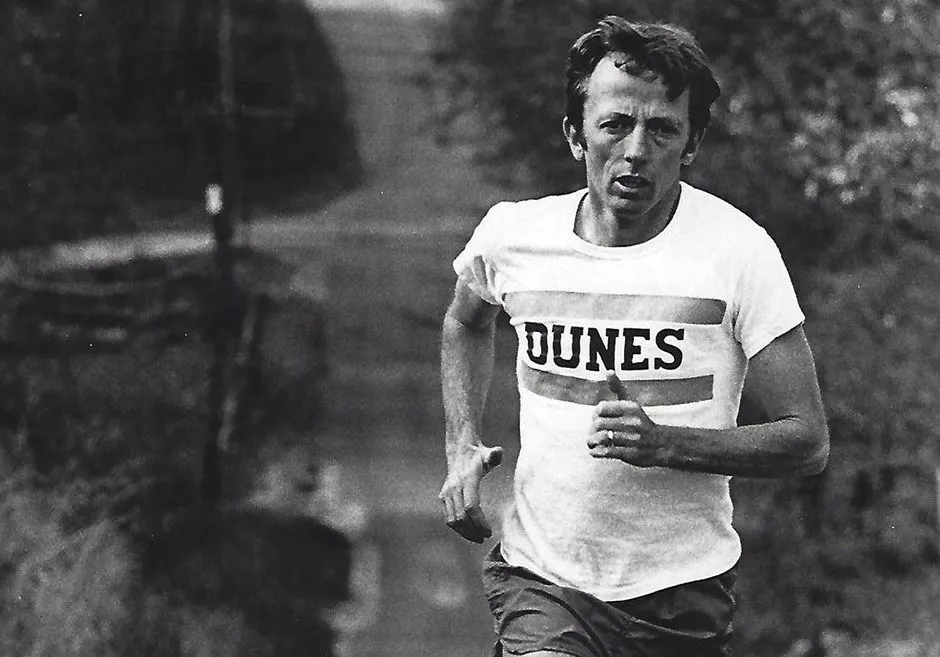
Hal Higdon running in a Dunes T-shirt

Workout types

SWIMMING

A simple bathing suit will suffice. No flippers, but you may want to purchase a wet suit to keep you warm if the water is cold. Wet suits also provide a degree of buoyancy that will make swimming easier. Noseplugs and goggles are a necessity. If you live near a lake or the ocean, and it is summer, that may be your best training venue. You can also train effectively in a lap pool, but remember that almost all triathlons are in open water. If you are not a good swimmer (and few runners are), consider engaging a swim coach to teach you how to do the strokes right. I offer some tips on form in my Interactive program. Mainly, you need to swim well enough to get you through this first triathlon leg without drowning, no small feat in itself.

BICYCLING

Biking can be an expensive sport when it comes to equipment. If you don’t care that much about speed, you can pick up a fat-tired bike for a couple of hundred dollars that will carry you to the finish line. High-tech bicycles will get you to that line faster, but they also cost thousands of dollars more. Specially designed pedals, handlebars and wheels also can improve speed, but at a cost. As for training, I suggest you just get out and ride at whatever speed seems comfortable. If you have a fat-tired bike like mine, you can sit up and enjoy the scenery more than the serious cyclists who ride in chains at speeds faster than 20 mph. I designed this program to prepare you for a sprint triathlon, not Ironman, so you might as well enjoy your training, not flagellate yourself.

RUNNING

The simplest of sports, the main equipment needed is a pair of shoes which you also can use for biking. If I am right in assuming that most individuals signing up for this Triathlon 2 Training Program are runners, you already should have your equipment in place. Plus you should know how to train. Just go out and run at whatever speed seems comfortable. You can save the speedwork for your next 10K, or if and when you do decide to move up to the next level: an Olympic-distance triathlon.

TRANSITIONS

To avoid wasting time, you need to learn how to do transitions, the period between the swim and the bike and the bike and run where you change clothes and equipment. Doing workouts where you swim first and bike second or bike first and run second will teach you to make smooth transitions. Consider that in a sprint triathlon with short distances, it may be just as easy to bike and run while still in your swimming trunks and wear your running shoes during the bike leg.

The distances for Olympic triathlons, by the way, are 1,500 meters for the swim, 40K for the bicycle ride and 10K for the run. Sprint triathlons are those races featuring shorter distances. Many of these are “local” races designed for fun more than anything else. I recommend them to you. As for Ironman, if you have to ask the distances for this premiere event in Hawaii, you’re not ready to begin training for it. This Triathlon 2 Training Program only suggests how you might train. Try different combinations to see what works best for you, More detailed instructions on how to work out each day, along with training tips, are available with the Interactive version available through TrainingPeaks. In the schedule below, prescribed workouts are in minutes not miles. Thus, “Bike 30, Run 15” means that you bike for 30 minutes and run for 15 minutes, what triathletes call a “Brick” workout. Running even a short distance after a long swim or ride helps your legs recover for the next day. “Strength” suggests that you do weight training in a fitness center. Light weights and high reps usually work best for runners, and this is true for triathletes too. Enjoy your training.

Run with Hal

app
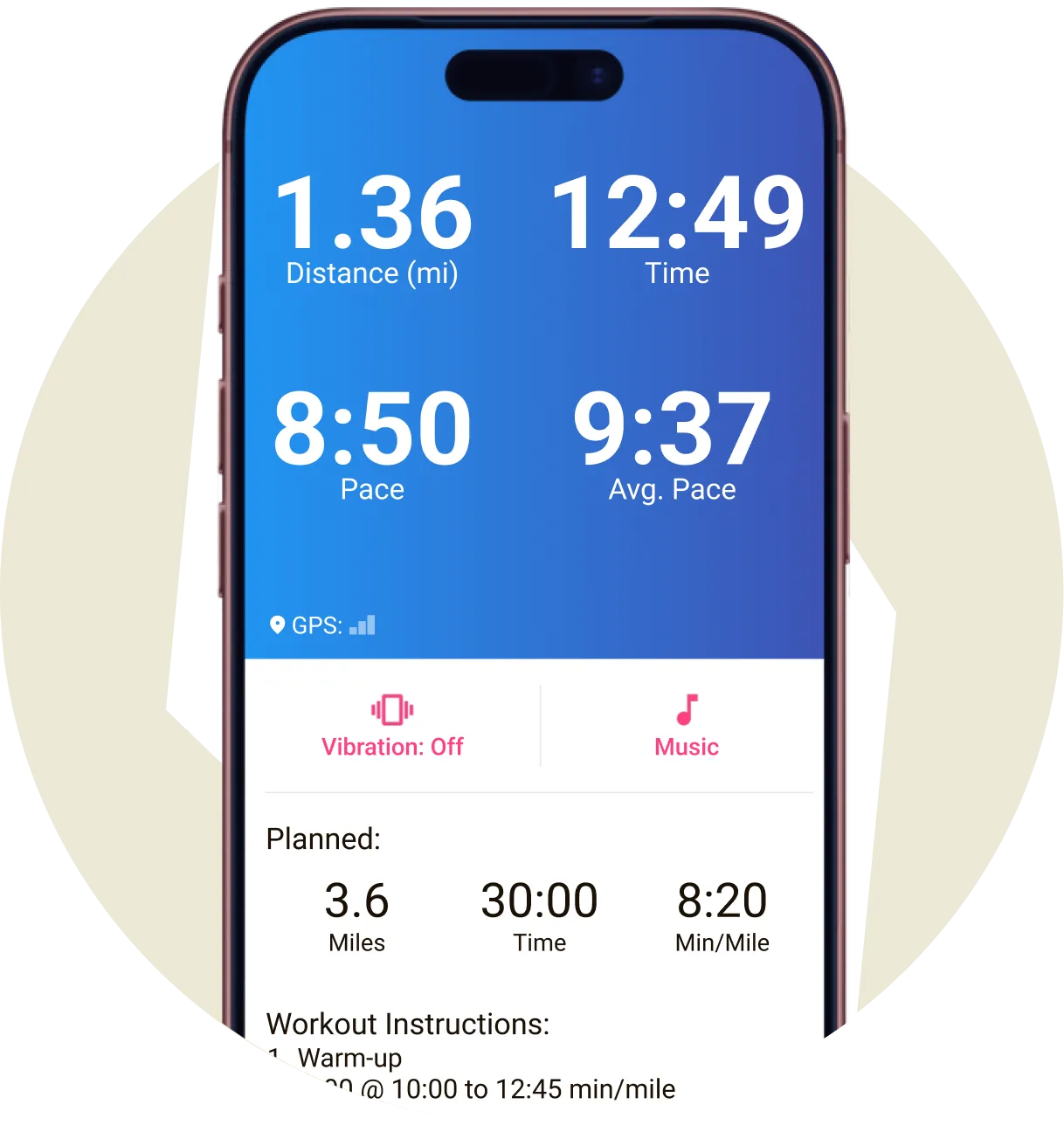
The Run With Hal app on a phone, showing a live run: distance, time, pace, and the planned workout.
  • Adaptive Plans that update as you train.
  • Flexible Scheduling to move workouts and set blackout dates.
  • Daily Tips From Hal for motivation delivered each day.
  • Train Any Distance from 5K to ultra, or year-round base plans.

Download for free:

Download on the App Store Get it on Google Play

Reviews

Additional More Training Programs